
Disease unfolds over years. Visits last seventeen minutes.
Solliva captures the patient’s story as it happens between visits and delivers it to the care team in clinical language — so the encounter begins with the full history, not a reconstruction of it.
What gets lost between visits
The story arrives in fragments.
A symptom mentioned in March isn't connected to the one reported in September. Each clinician hears a piece.
The first impression anchors everything after it.
An early working diagnosis follows the patient across years of records, shaping every subsequent encounter.
Months of history compress into minutes.
After a three-to-five month wait, a seventeen-minute visit has to serve as both history-taking and decision-making. Something gives.
Chronic disease is a longitudinal problem documented through episodic snapshots. Care coordination software organizes the snapshots — it doesn’t recover what was never captured.
Twenty-two visits. Each clinician heard a fragment.

Honor student and athlete. Brain fog and two weeks of left-leg numbness.
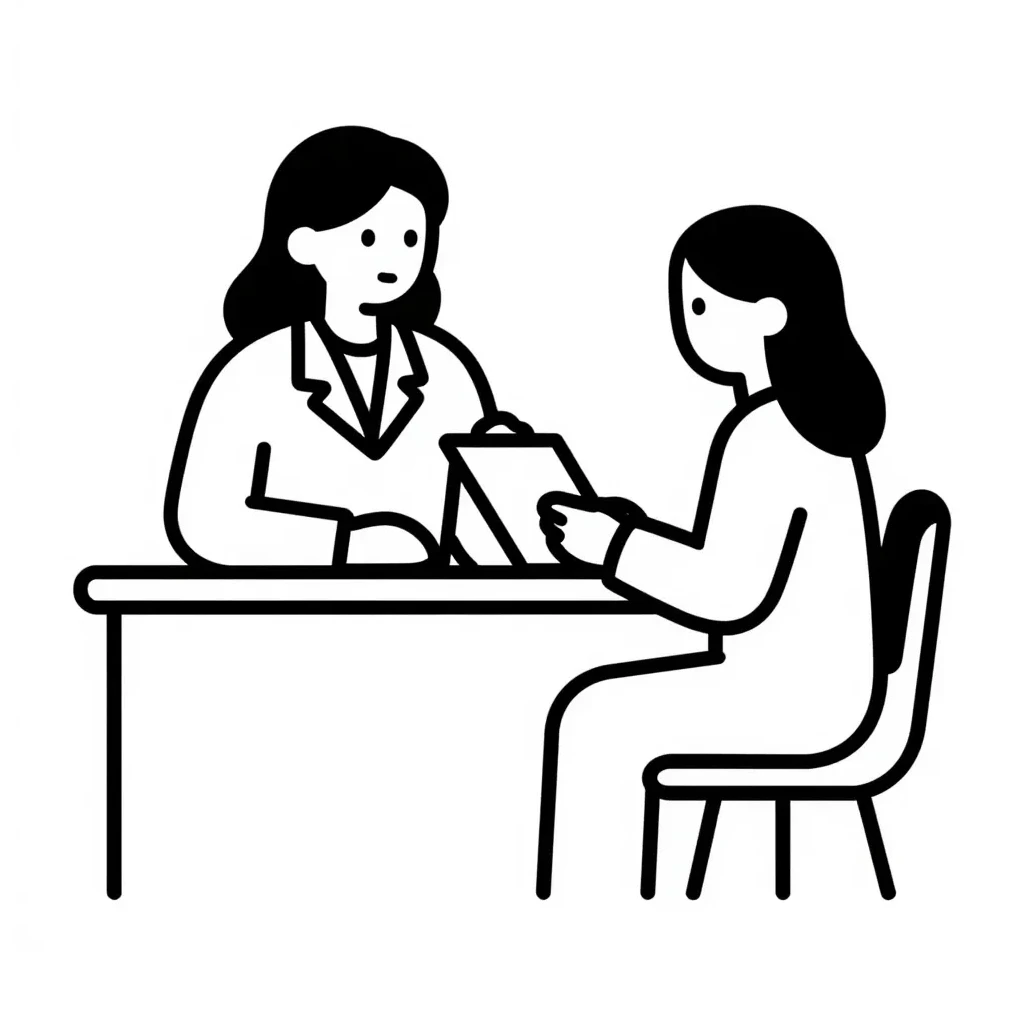
Three-month wait. Brain fog discussed. The leg numbness never comes up.
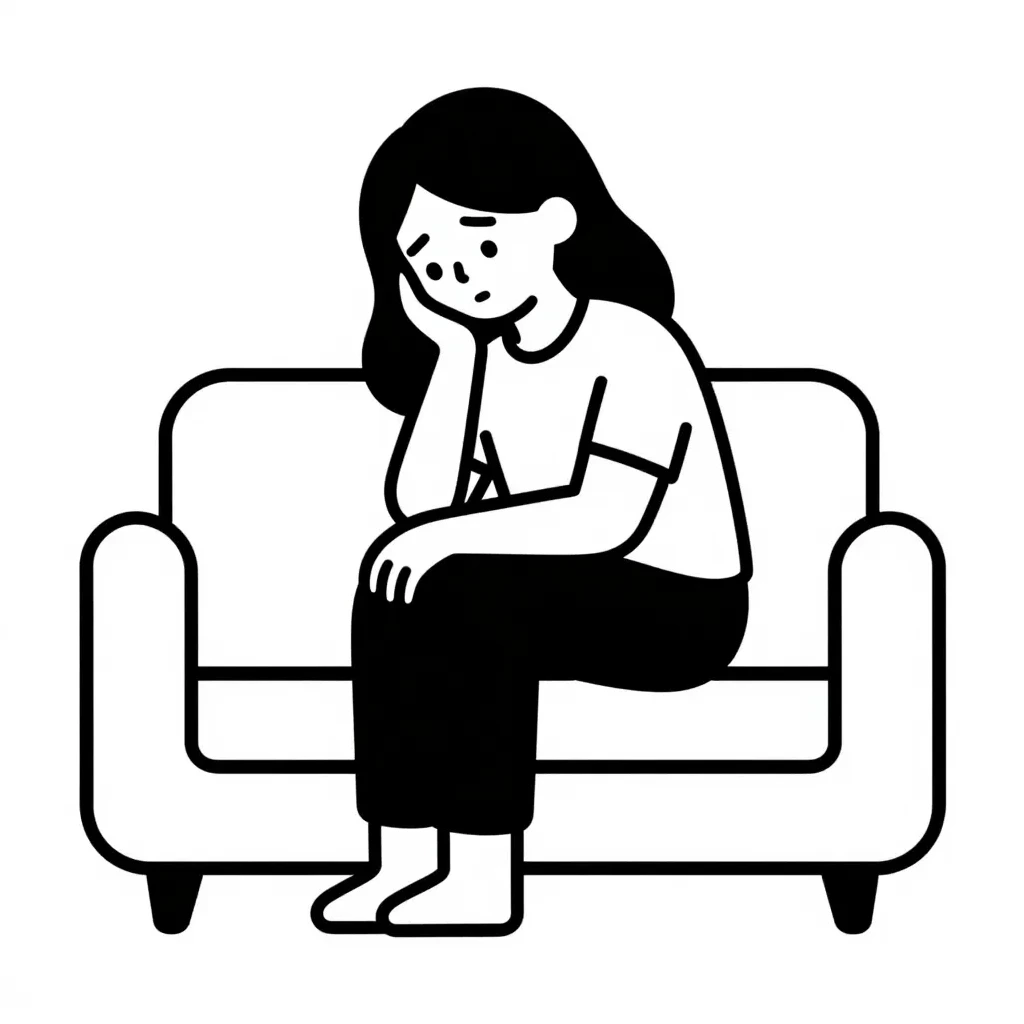
Diagnosed with depression.

A two-hour evaluation finally captures the full history. MRI: progressive MS.
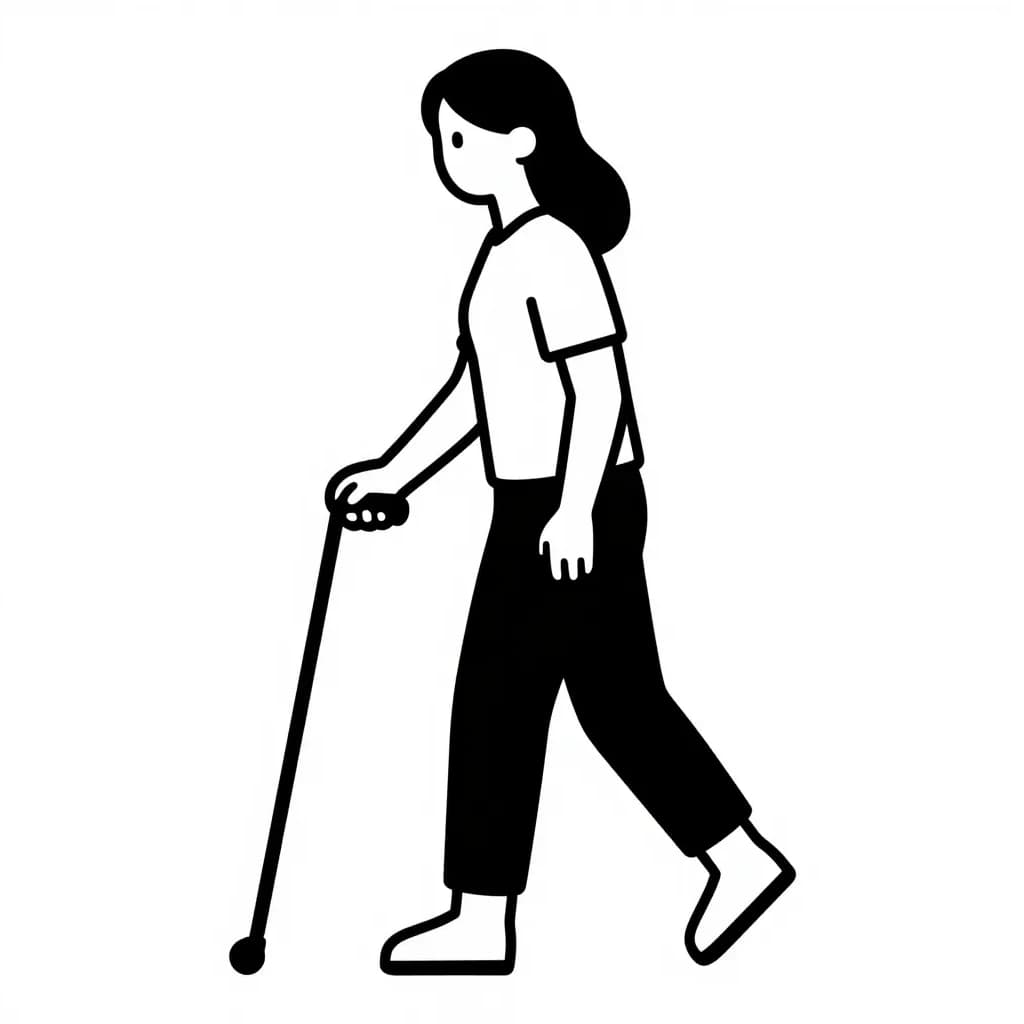
Progressive leg weakness.

Postpartum leg weakness. Attributed to new motherhood.
Every one of those twenty-two visits anchored to the first diagnosis.
Composite case drawn from clinical experience.
From continuous capture to a clinical picture
Continuous capture
Patients record symptoms, changes, and concerns as they occur, not from memory in a waiting room. The record builds itself between visits.
Longitudinal synthesis
Solliva assembles what accumulates over months into a coherent narrative, surfacing the details that connect across time rather than the ones raised most recently.
Delivered in clinical language
The care team receives a structured summary written the way a clinician would write it, before the visit, so visit time goes to decisions instead of reconstruction.
Visit time reallocated from history-taking to clinical judgment.
The structure
How the work gets operationalized
One Primary Physician, one Care Navigator, no ambiguity.
Solliva coordinates visits directly, not through manual calls.
The care team sees adherence instead of guessing at it.
The full picture, already assembled
Consent, care plan, diagnoses, medications, and the patient’s own longitudinal record live in one place, assembled before you open it, not after.
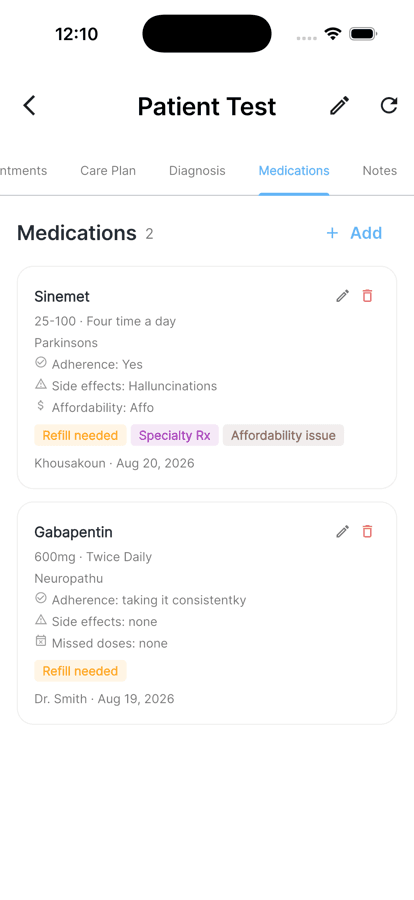
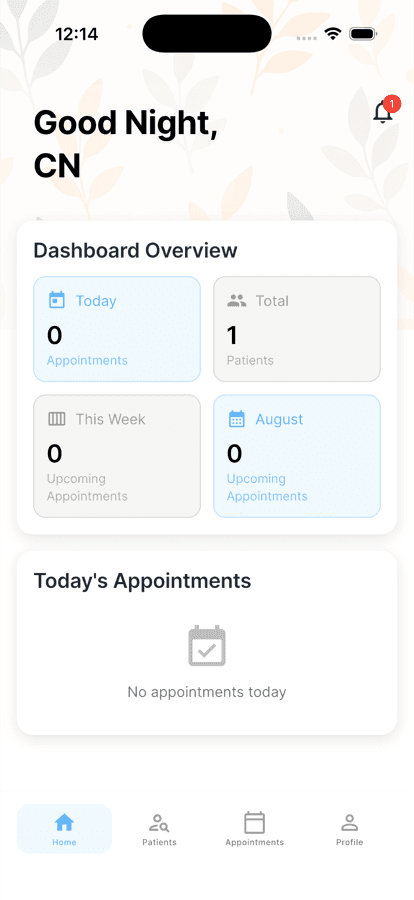
Walk in prepared
Today’s schedule opens with each patient’s current picture attached, so preparation happens before the room, not in it.
Nothing waiting on a callback
Pending, upcoming, and past visits stay separated, so the next action is always visible.
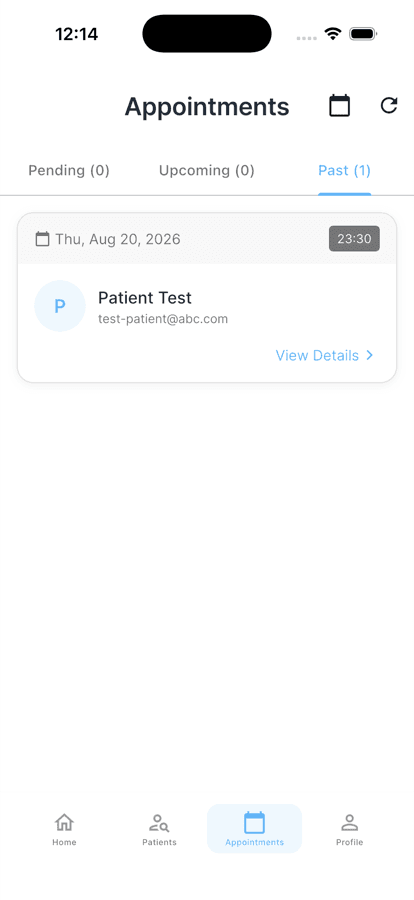
Everything the chart needs, one tap away
Patient Chart
Consent, Profile, Care Team, Care Plan, Diagnosis, Medications, and Notes are all one tap away.
Time Log
Log minutes spent on each patient separately from your notes, totaled automatically in hours and minutes.
Appointments Overview
See today's and this month's appointments at a glance, then tap one to jump straight into the chart.
One App for the Whole Care Team
Physicians and Care Navigators share the same app and the same chart, with access set by role, not by a separate install.
Comparable in history-taking. Superior in longitudinal synthesis.
Simulated patient encounters, histories obtained and summarized by both physicians and Solliva, transcripts rated blind by ten independent physicians.
| Measure | Result | Detail |
|---|---|---|
| Pertinence of questions | comparable | No significant difference |
| Appropriate length | comparable | No significant difference |
| Logical organization | comparable | No significant difference |
| Integrating details across timepoints | superior | p<0.0001 |
| Logical flow and organization | superior | p=0.03 |
Evaluation conducted on simulated patient cases and assessed for documentation quality. Solliva does not diagnose, and diagnostic accuracy was not an endpoint. All clinical decisions remain with the treating provider.
Built to deploy inside existing care programs
Chronic care management companies
License Solliva as the clinical layer inside programs you already run. Your care navigators work in one app; enrolled patients gain longitudinal capture from day one.
Clinics and multi-provider practices
Deploy to your care team without replacing your EHR or rebuilding workflow. Consent-first onboarding, configured per care center.
Health systems
Extend longitudinal capture across specialties where the patient's story crosses more clinicians than any one of them can see.
Validated before it shipped
Physicians, patients, and health system leaders, through NSF I-Corps.
Rated Solliva's summaries blind against physician-written ones.
Following a favorable prior art search.
Founded by a Yale- and Weill Cornell-trained neurologist (MD, PhD).
Built for HIPAA-compliant deployment, with consent-first onboarding per Care Center/Clinic. Solliva does not diagnose or prescribe, and all clinical decisions remain with the treating provider.
FAQs
CCM platforms organize the encounters that already happened. Solliva captures what happens between them and reconstructs the patient's story so the clinician sees the whole course of illness, not a series of snapshots. Coordination is part of what we do; it isn't what makes us different.
Solliva's history-taking and summarization methods are the subject of a pending patent, so we describe capability rather than architecture publicly. Under NDA we're glad to go deeper. What we'll say openly: it was evaluated blind against physicians and rated comparable in structured history-taking and superior in longitudinal synthesis.
No. Solliva does not diagnose, prescribe, or recommend treatment. It prepares the history. Every clinical decision remains with the treating provider.
Physicians and Care Navigators managing patients with chronic or complex conditions who need ongoing coordination between visits.
Each patient is assigned exactly one Primary Physician and one Care Navigator. Only that care team can see the patient's chart.
No. Care Navigators use the same Solliva Physician app and account, with access determined by role rather than a separate install.
Care Navigators can view the full patient chart, coordinate appointments, and track whether patients are staying on their medications and care plan.
Built for HIPAA-compliant deployment with consent-first onboarding. Patients control what is shared and can revoke access. Full detail in our Privacy Policy.
Download the app and sign in with the credentials provided by your practice or health system administrator.