
Disease unfolds over years. Visits last seventeen minutes.
Solliva captures the patient’s story as it happens between visits and delivers it to the care team in clinical language — so the encounter begins with the full history, not a reconstruction of it.
What gets lost between visits
The story arrives in fragments.
A symptom mentioned in March isn't connected to the one reported in September. Each clinician hears a piece.
The first impression anchors everything after it.
An early working diagnosis follows the patient across years of records, shaping every subsequent encounter.
Months of history compress into minutes.
After a three-to-five month wait, a seventeen-minute visit has to serve as both history-taking and decision-making. Something gives.
Chronic disease is a longitudinal problem documented through episodic snapshots. Care coordination software organizes the snapshots — it doesn’t recover what was never captured.
Twenty-two visits. Each clinician heard a fragment.

Honor student and athlete. Brain fog and two weeks of left-leg numbness.
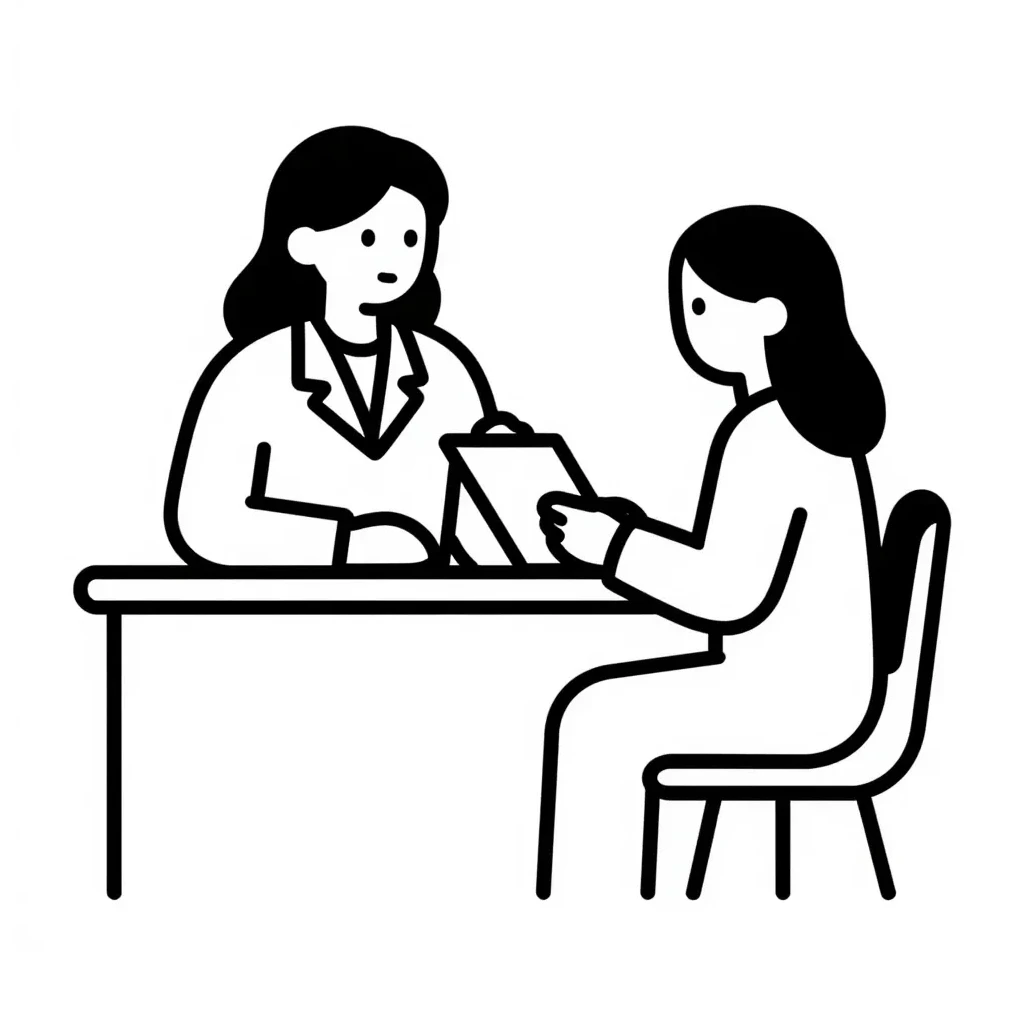
Three-month wait. Brain fog discussed. The leg numbness never comes up.
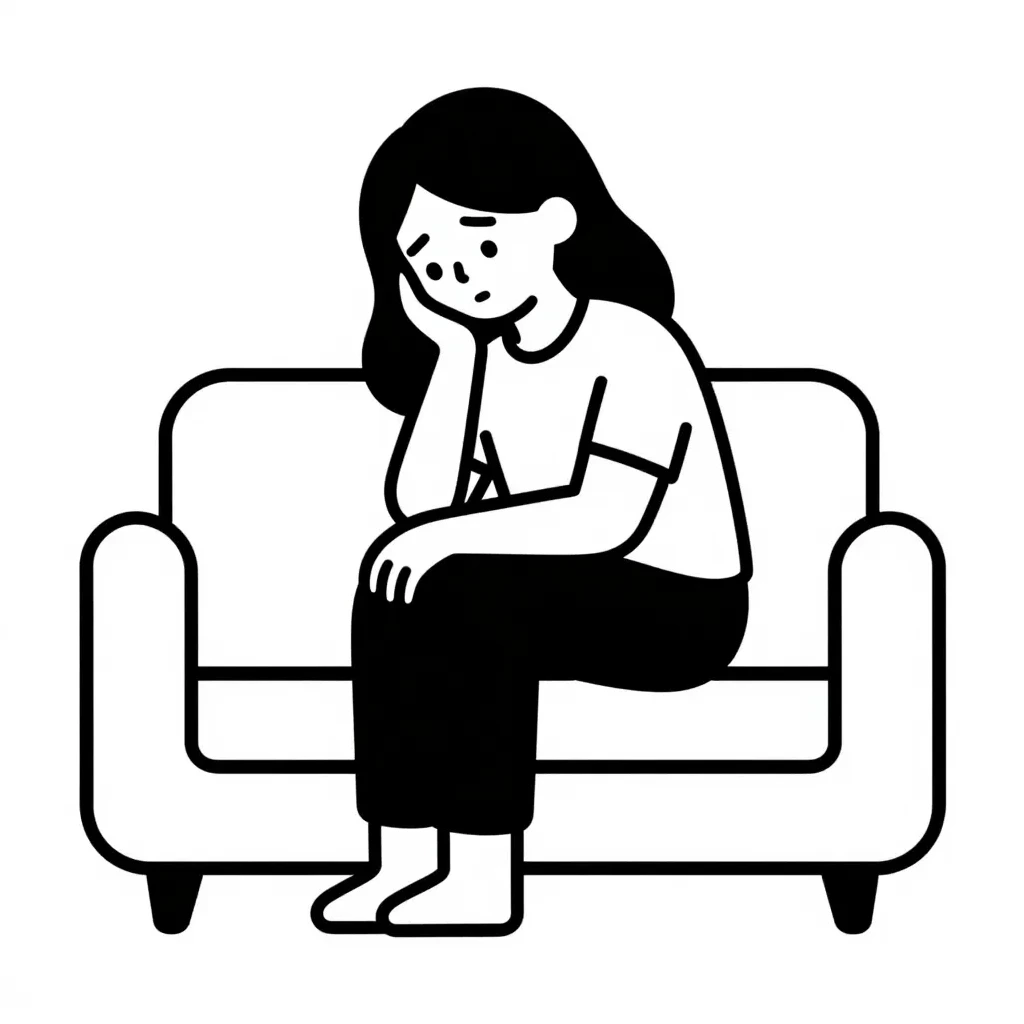
Diagnosed with depression.
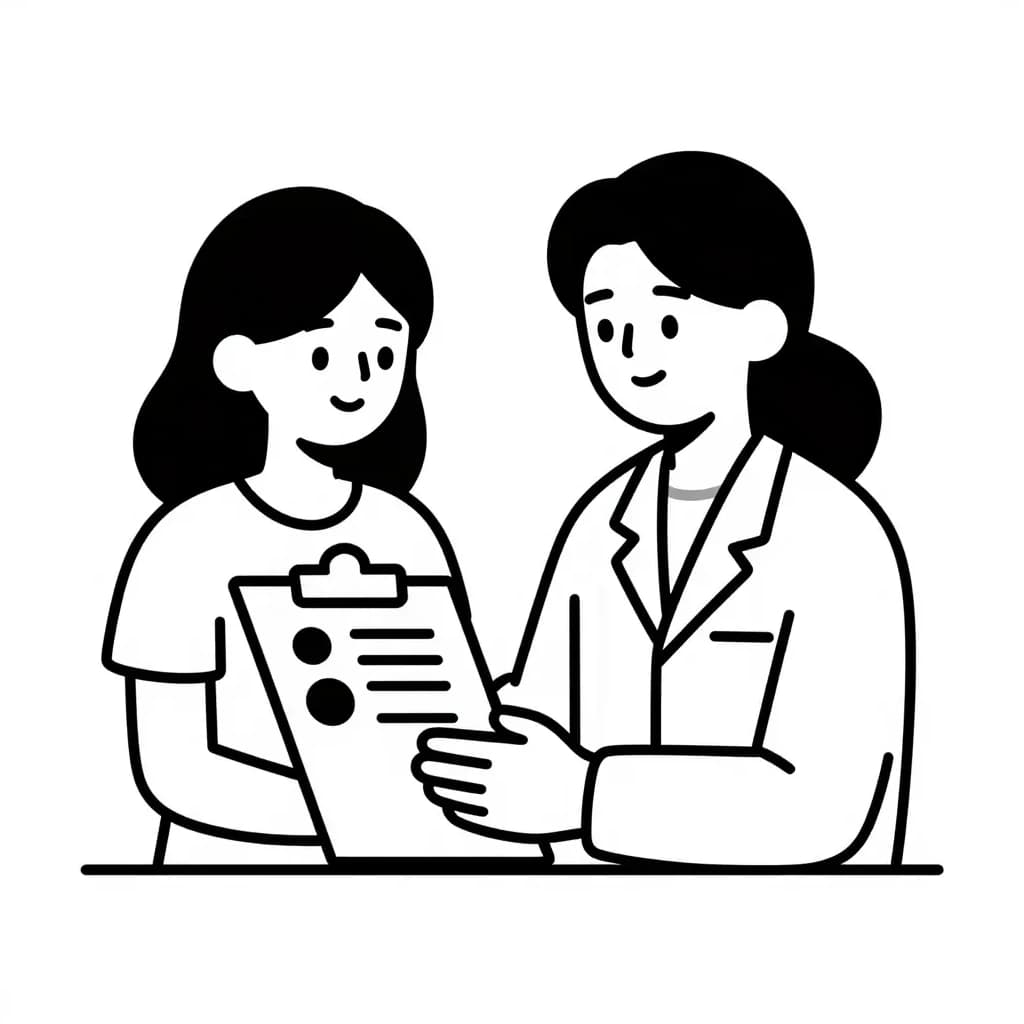
A two-hour evaluation finally captures the full history. MRI: progressive MS.
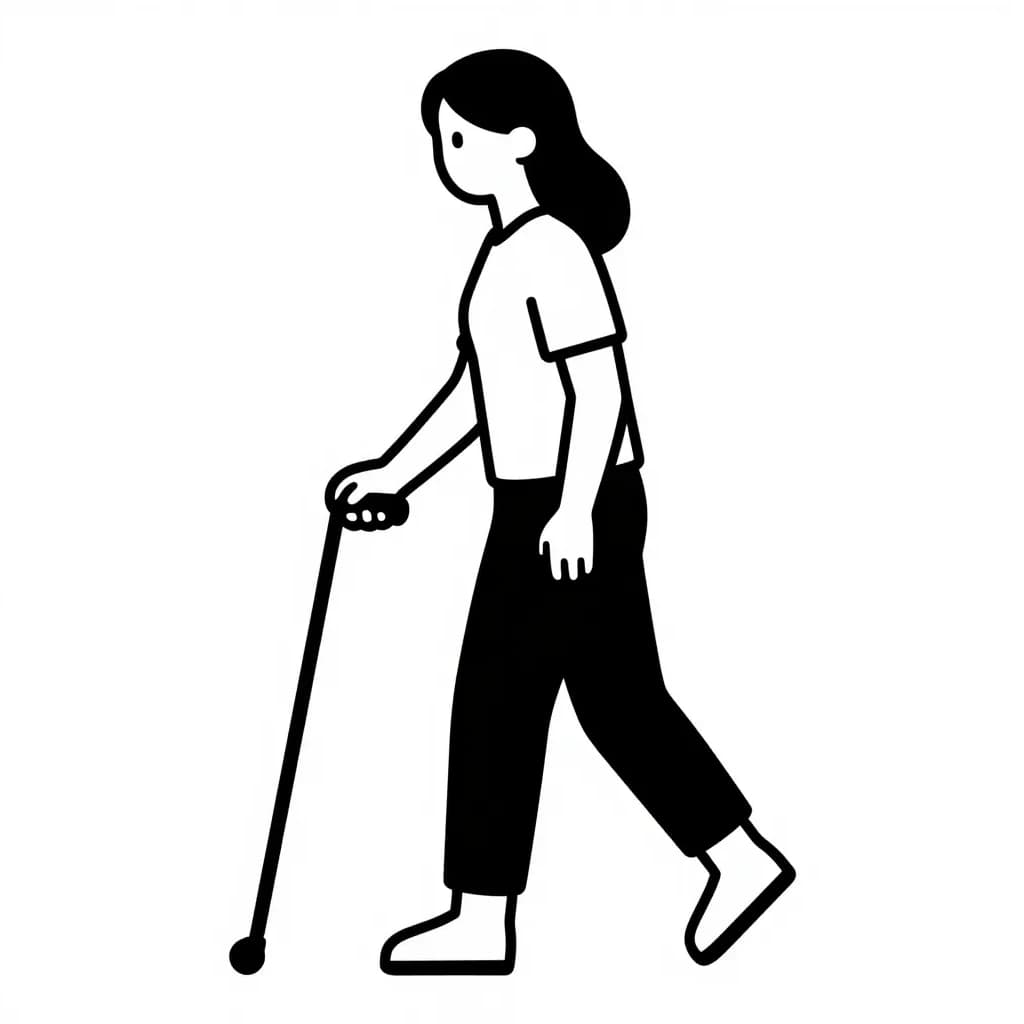
Progressive leg weakness.
Postpartum leg weakness. Attributed to new motherhood.
Every one of those twenty-two visits anchored to the first diagnosis.
Composite case drawn from clinical experience.
From continuous capture to a clinical picture
Patients record what’s happening between visits. Solliva assembles it into a coherent narrative. The care team receives it in clinical language, before the visit starts.
See how it works →Built to deploy inside existing care programs
Chronic care management companies
License Solliva as the clinical layer inside programs you already run. Your care navigators work in one app; enrolled patients gain longitudinal capture from day one.
Clinics and multi-provider practices
Deploy to your care team without replacing your EHR or rebuilding workflow. Consent-first onboarding, configured per care center.
Health systems
Extend longitudinal capture across specialties where the patient's story crosses more clinicians than any one of them can see.
FAQs
CCM platforms organize the encounters that already happened. Solliva captures what happens between them and reconstructs the patient's story so the clinician sees the whole course of illness, not a series of snapshots. Coordination is part of what we do; it isn't what makes us different.
Solliva's history-taking and summarization methods are the subject of a pending patent, so we describe capability rather than architecture publicly. Under NDA we're glad to go deeper. What we'll say openly: it was evaluated blind against physicians and rated comparable in structured history-taking and superior in longitudinal synthesis.
No. Solliva does not diagnose, prescribe, or recommend treatment. It prepares the history. Every clinical decision remains with the treating provider.